

NLP is a branch of artificial intelligence that focuses on enabling machines to understand, interpret, and respond to human language.
Artificial intelligence (AI) and natural language processing (NLP) are two intertwined fields that have profoundly reshaped the way technology integrates into our daily lives. AI focuses on enabling machines to perform tasks that traditionally require human intelligence, such as learning, reasoning, and problem-solving. The pursuit of human level intelligence in AI continues to drive advancements in the field. NLP, a critical subset of AI, bridges the gap between human language and machine understanding, allowing computers to interpret, analyze, and respond to the complexities of human communication. Together, these technologies power innovations that range from virtual assistants to sophisticated data analysis tools, creating systems that are smarter, more intuitive, and capable of personalizing experiences and improving efficiency across industries.
What is artificial intelligence?
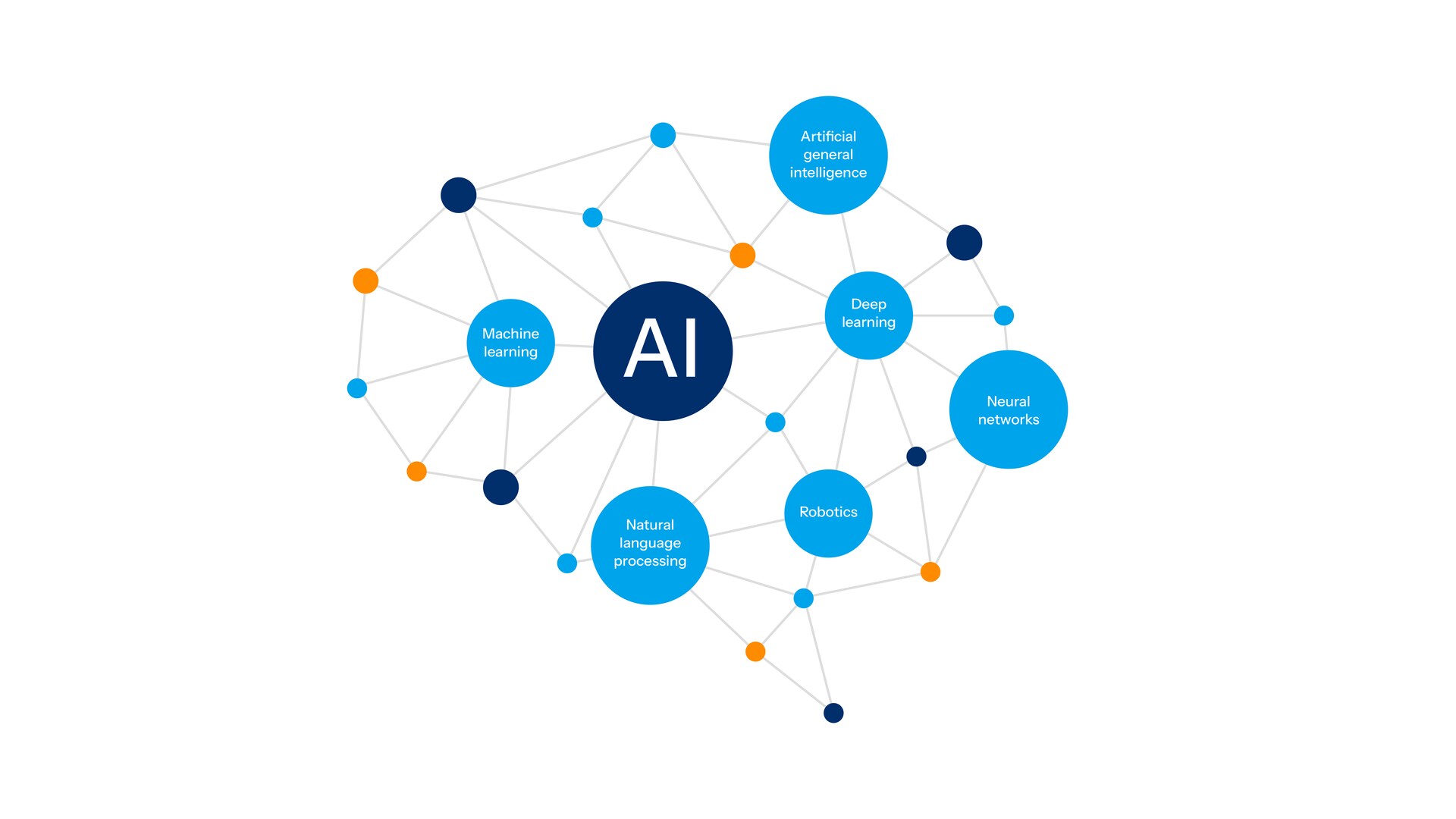
Artificial intelligence is a branch of computer science that focuses on building systems capable of performing tasks that typically require human intelligence. These tasks include recognizing patterns, solving complex problems, learning from experience, and reasoning through situations. AI is revolutionizing industries and everyday life by automating processes and enhancing decision-making.
What is natural language processing?
Natural language processing (NLP) is a specialized field within artificial intelligence that focuses on enabling machines to understand, interpret, and respond to human language. By bridging the gap between human communication and computer systems, NLP has become a cornerstone of modern AI applications. It achieves this through a combination of computational linguistics, machine learning techniques, and advanced deep learning algorithms. NLP is widely used to analyze language, extracting meaning and structure from human communication. The following components are essential to NLP:
- Syntax and semantics: Syntax refers to the rules and structure of language, while semantics deals with meaning. Together, they enable NLP systems to parse sentences and derive accurate meanings. For example, syntax helps identify the subject and verb in a sentence, while semantics ensures the sentence’s meaning is understood in context. This combination is critical for applications like grammar checking and context-aware search engines.
- Sentiment analysis: This involves identifying the emotional tone or attitude expressed in text, such as whether a review is positive, negative, or neutral. Businesses use sentiment analysis to gauge customer opinions on products or services, often in real time, from sources like social media or online reviews.
- Speech recognition: This technology converts spoken language into written text, making voice commands and dictation possible. Applications such as speech-to-text systems are widely used in virtual assistants, transcription services, and accessibility tools for individuals with disabilities.
- Machine translation: This process converts text from one language to another, facilitating global communication. Tools like Google Translate use NLP to translate languages while preserving grammar and meaning, enabling users to understand content written in foreign languages.
- Natural language understanding (NLU): NLU is a key aspect of NLP that focuses on enabling machines to comprehend the meaning and intent behind human language. For instance, NLU helps virtual assistants like Amazon Alexa or Siri interpret commands such as “Turn off the living room lights” by recognizing the speaker’s intent and identifying the relevant action. This involves tasks like context analysis, part-of-speech (POS) tagging, and semantic parsing, which allow machines to grasp nuances, resolve ambiguities, and respond appropriately to user queries. NLU is essential for creating conversational AI systems that feel intuitive and responsive.
- Natural language generation (NLG): NLG systems create coherent and human-like text based on structured data inputs. They are used in generating reports, creating chat responses, and automating tasks like writing personalized emails. For example, NLG can transform a database of sales figures into a well-written summary for business presentations.
- Embeddings: These are numerical representations of words, helping models understand context and relationships between terms.
- Neural networks: These are deep learning models that power many NLP systems, enabling complex tasks like language translation and summarization.
How NLP works
Natural language processing (NLP) enables machines to interpret and respond to human language by combining techniques from linguistics, computer science, and artificial intelligence. The process typically involves several stages, each aimed at breaking down and analyzing text or speech data for meaningful interpretation. Here’s how NLP works:
1. Preprocessing
Preprocessing prepares raw text data for analysis by cleaning and structuring it, processing words to make the text suitable for further analysis. Key steps include:
- Tokenization: Breaking text into smaller units, specifically individual words or sentences. For example, the sentence “I love AI” would be split into [“I,” “love,” “AI”].
- Lemmatization and stemming: Reducing words to their root forms to standardize input. For instance, “running” becomes “run.”
- Stopword removal: Eliminating common but nonessential words like “and,” “the,” or “is” to focus on meaningful content. This word removal step helps process words for analysis by filtering out terms that do not contribute significantly to understanding the text.
- Normalization: Standardizing text by correcting spelling errors or converting all text to lowercase.
2. Parsing and syntax analysis
Parsing involves examining the grammatical sentence structure to understand relationships between words:
- Part-of-speech tagging: Assigning grammatical labels like noun, verb, or adjective to each word.
- Dependency parsing: Identifying how words in a sentence depend on one another, such as recognizing that “Jenny” is the subject and “runs” is the action.
3. Semantic analysis
Semantic analysis focuses on understanding the meaning of the text. Techniques include:
- Word sense disambiguation: Determining the intended meaning of a word based on context (e.g., distinguishing between “bank” as a financial institution vs. a riverbank).
- Named entity recognition (NER): Identifying entities like names, dates, and locations in text.
- Semantic role labeling: Assigning roles to words, such as recognizing “buyer” and “seller” in a transaction description.
4. Model training and machine learning
NLP systems often rely on machine learning (ML) to improve their performance. Key aspects include:
- Training data: Large datasets of text are used to teach ML models to recognize patterns and perform tasks like classification or translation.
- Algorithms and embeddings: Learning algorithms create numerical representations, or embeddings of words, to capture their meaning and relationships in vector form.
- Neural networks: Advanced models like transformers and recurrent neural networks (RNNs) power NLP tasks, allowing systems to understand context and generate coherent responses.
5. Execution of NLP tasks
Once trained, the system applies its knowledge to real-world tasks, including:
- Text classification: Categorizing text into predefined groups, such as spam vs. non-spam emails.
- Language translation: Converting text from one language to another with tools like Google Translate.
- Summarization: Generating concise summaries from lengthy articles.
- Question-answering: Providing direct answers to user queries based on context.
- Speech-to-text and text-to-speech: Converting spoken words into text and vice versa.
6. Optimization and feedback
To maintain accuracy, NLP systems undergo continuous optimization:
- Fine-tuning: Adjusting models with additional training data to improve performance on specific tasks.
- Feedback loops: Incorporating user interactions and corrections to refine results over time.
The benefits of AI and NLP
AI and NLP offer transformative benefits across industries and applications. As the demand for NLP solutions continues to grow, organizations are increasingly seeking advanced natural language processing technologies to address complex challenges and meet evolving industry needs.

- Automation: NLP enables the automation of repetitive and time-consuming tasks, freeing up human workers for more strategic roles. For example, in customer support, chatbots powered by NLP can handle frequently asked questions, such as providing store hours or troubleshooting basic product issues. In data analysis, NLP tools can extract key insights from large volumes of customer feedback or survey results, delivering actionable information in minutes rather than hours. This level of automation not only improves operational efficiency but also enhances customer satisfaction by providing instant responses.
- Accessibility: NLP-powered speech recognition tools and virtual assistants make technology more accessible to people with disabilities. For instance, individuals with visual impairments can use screen readers with text-to-speech capabilities to navigate the internet or read documents. Virtual assistants like Siri, Alexa, or Google Assistant allow users with mobility challenges to control smart home devices, set reminders, or make phone calls using voice commands.
- Insights: NLP techniques like sentiment analysis and semantic analysis offer businesses valuable insights into consumer behavior and preferences. Sentiment analysis can assess the tone of social media posts or product reviews, helping companies understand whether their customers feel positively or negatively about a new product launch. Semantic analysis, on the other hand, can uncover patterns and relationships in feedback, such as identifying frequently mentioned complaints about product features. These insights allow businesses to adapt their strategies, improve offerings, and address consumer needs proactively.
- Efficiency: NLP excels at processing large amounts of unstructured data, transforming it into usable information. For example, in the legal industry, NLP systems can analyze thousands of legal documents to find relevant case precedents or identify clauses that require review, saving lawyers countless hours of manual work. Similarly, in healthcare, NLP can sift through vast patient records to highlight trends or identify potential risks, aiding doctors in making faster, evidence-based decisions. This efficiency ensures that organizations can respond quickly to challenges and capitalize on opportunities without being bogged down by information overload.
Use cases and applications
AI and NLP are revolutionizing industries by improving processes, enhancing user experiences, and driving innovation.
- Healthcare: AI and NLP systems play a crucial role in streamlining healthcare operations and improving patient outcomes. Medical transcription software uses speech-to-text technology to convert doctor-patient conversations into electronic health records (EHRs), saving time and reducing errors. NLP-powered tools also analyze unstructured data, such as patient feedback or medical notes, to identify trends and potential health risks. Summarization tools can distill complex medical records into concise overviews, helping doctors make quicker, informed decisions. Additionally, chatbots integrated with NLP are being used for initial triage, answering patient queries, and directing them to appropriate care.
- Customer service: AI-driven chatbots and virtual assistants have revolutionized customer service by providing instant responses to inquiries. For instance, ecommerce platforms use chatbots to guide customers through the shopping process, answer product-related questions, or handle return requests. Virtual assistants, like those employed by airlines, can assist passengers with booking flights, checking in, or providing real-time updates about delays. By automating these interactions, businesses improve customer satisfaction while reducing the workload for human agents, who can focus on more complex issues.
- Search engines: AI and NLP power the advanced algorithms behind search engines like Google, enabling them to deliver accurate and contextually relevant results. For example, when a user types in a query like “best restaurants near me,” the search engine not only identifies the keywords but also understands the intent to provide local dining recommendations. NLP also powers features like autocomplete, which predicts what users might be searching for, and semantic search, which finds results based on meaning rather than exact keyword matches. These capabilities enhance user experience and ensure quick access to the right information.
- Social media: AI and NLP are integral to how brands monitor and respond to public opinion on social media platforms. For instance, sentiment analysis tools can assess the tone of millions of tweets or Facebook posts to determine how people feel about a company, product, or event. These insights help brands gauge the success of marketing campaigns or address negative sentiment proactively. Additionally, NLP systems can identify trending topics and emerging issues, allowing brands to adapt their strategies in real time or capitalize on viral moments.
- Education: NLP-powered tools are making education more accessible and personalized. Language translation apps like Google Translate help students and teachers overcome language barriers, fostering cross-cultural learning opportunities. Intelligent tutoring systems analyze a student’s learning patterns and adapt the content to suit their needs, providing personalized lessons and exercises. For instance, NLP-based platforms can help students practice grammar or expand their vocabulary by offering tailored quizzes and real-time feedback. Such tools are especially beneficial for remote learning, enabling students to access resources and support from anywhere.
Challenges
Despite its potential, NLP faces significant challenges that may limit its full potential.
- Language diversity: NLP must support not only major languages like English and Spanish but also regional dialects, indigenous languages, and mixed-language texts, known as code-switching. For example, creating a model that understands Hinglish (a mix of Hindi and English) or Spanglish requires specialized datasets that capture these unique patterns. The lack of sufficient training data for low-resource languages poses a barrier, preventing equal representation and accessibility for speakers of those languages.
- Contextual understanding: Language is deeply tied to culture and context, making it challenging for NLP systems to interpret idioms, sarcasm, or nuanced expressions accurately. For instance, the phrase “break a leg” might be misinterpreted literally by an NLP model without understanding its cultural context as a wish for good luck. Similarly, capturing the sentiment behind ironic statements, such as “Oh, great job!” said in a sarcastic tone, remains a significant hurdle.
- Data bias: Bias in training datasets can lead NLP models to produce skewed or discriminatory outputs. For example, if an AI language model is trained predominantly on English texts written by Western authors, it might favor Western cultural perspectives and exclude others. Biases in gender, ethnicity, and socioeconomic status are also common, as seen when some models inadvertently associate certain professions with specific genders.
- Resource demands: Training advanced NLP systems like large language models requires immense computational power, energy, and storage capacity. Training a model like GPT involves processing billions of data points across thousands of servers, which isn’t feasible for many organizations due to cost and environmental concerns. Additionally, running these models in production demands robust infrastructure, which can limit their accessibility.
- Dependencies: Many NLP applications rely on open source tools or proprietary software, which can introduce limitations. Open source tools may lack comprehensive support or updates, while proprietary systems can be costly and restrict customization. This dependency can hinder innovation and make it difficult for smaller organizations or researchers to develop tailored solutions.
Future trends
The future of AI and NLP is filled with exciting advancements that should make these systems more powerful, accessible, and versatile.
- Large language models (LLMs): The development of LLMs, such as GPT, BERT, and their successors, improves the depth and accuracy of language understanding and generation. These models can handle complex tasks, like composing essays, answering nuanced questions, or generating conversational text. As these models grow larger and more sophisticated, they are expected to handle more diverse languages and contexts while providing richer outputs.
- Generative AI: Generative AI technologies are transforming conversational AI and content creation. Future advancements will enable chatbots to respond with even more natural and engaging dialogue, bridging the gap between human and machine communication. For example, generative AI could help businesses create highly personalized marketing content or assist writers in drafting work with detailed suggestions.
- Multilingual NLP: Efforts to support more languages, especially low-resource and endangered ones, will make NLP tools globally inclusive. For instance, future models could provide real-time translation services for languages like Zulu or Basque, connecting speakers of diverse linguistic backgrounds. This trend will also include better handling of regional dialects and mixed-language content.
- Human-AI collaboration: NLP systems will increasingly act as collaborative tools for professionals. For instance, in the creative field, AI could assist writers by suggesting plot ideas or helping musicians generate lyrics. In technical domains, AI could support software developers by analyzing code snippets or providing documentation summaries, streamlining workflows across industries.
- Optimization: Research into optimization will focus on making NLP models smaller, faster, and more energy-efficient without compromising performance. This includes techniques like model compression and distillation, which reduce the size of models while retaining their capabilities. Such advancements will make NLP technologies more accessible to smaller businesses and reduce their environmental impact.
Frequently Asked Questions
Machine learning helps NLP systems learn from data, improving tasks like text classification, translation, and sentiment analysis.
Python is widely used for developing NLP models due to its extensive libraries and toolkits, such as NLTK and spaCy.
They use speech recognition to understand spoken commands and natural language generation to provide responses.
Why customers choose Akamai
Akamai is the cybersecurity and cloud computing company that powers and protects business online. Our market-leading security solutions, superior threat intelligence, and global operations team provide defense in depth to safeguard enterprise data and applications everywhere. Akamai’s full-stack cloud computing solutions deliver performance and affordability on the world’s most distributed platform. Global enterprises trust Akamai to provide the industry-leading reliability, scale, and expertise they need to grow their business with confidence.
