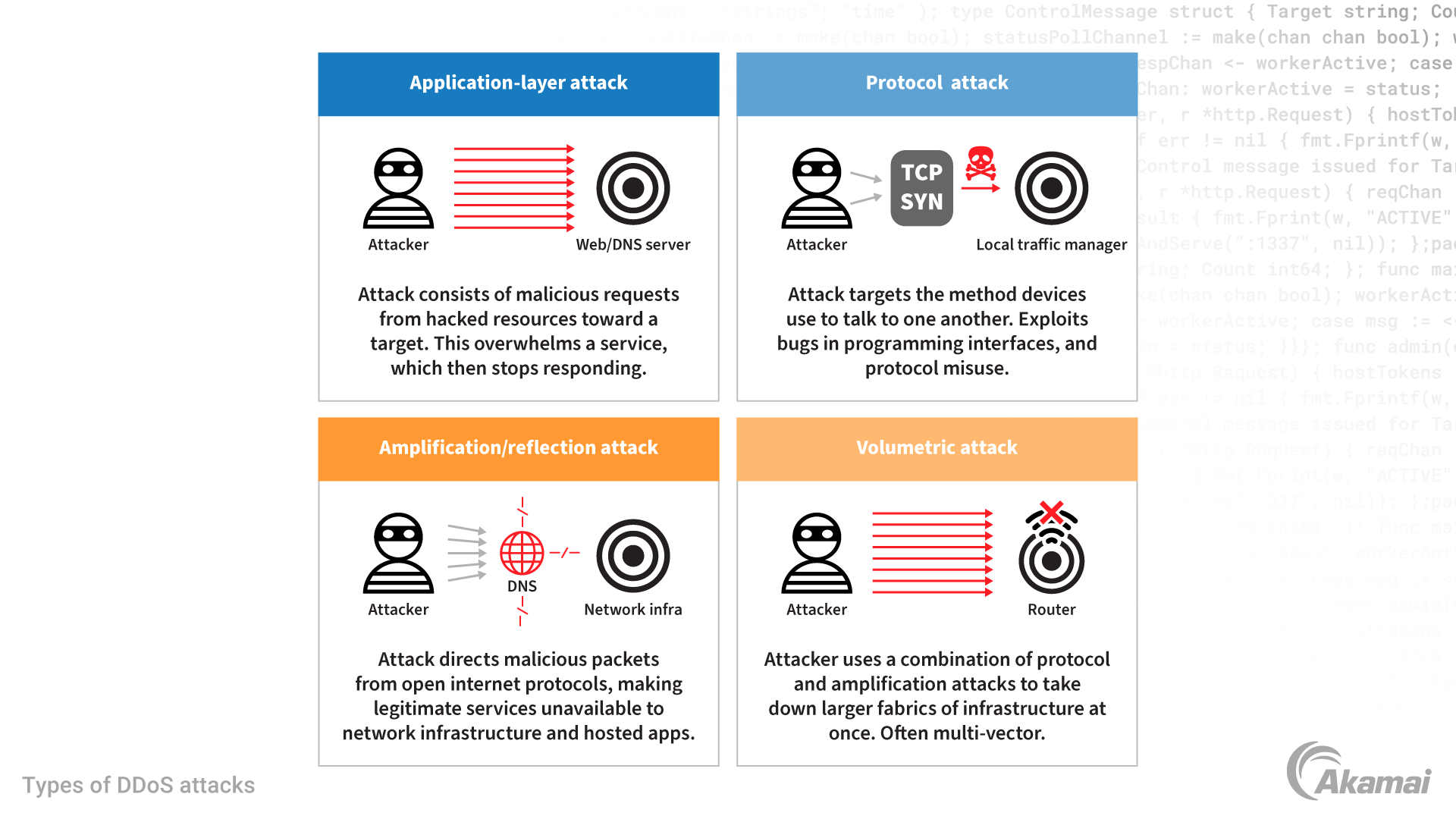
Organizations can protect against and limit disruption from DDoS attacks with a strong DDoS strategy, superior DDoS mitigation services, and advanced superior cybersecurity controls.
Cloud-based solutions offer high-capacity, high-performance, and always-on anti-DDoS protection that can prevent malicious traffic from reaching a website or interfering with web API communications, limiting the impact of the attack while allowing normal traffic to get through for business as usual.
DDoS mitigation services
In a constantly evolving attack landscape, DDoS protection through a mitigation provider that takes a defense-in-depth approach can keep organizations and end users safe. A DDoS mitigation service will detect and block DDoS attacks as quickly as possible, ideally in zero or a few seconds from the time that the attack traffic reaches the mitigation provider’s scrubbing centers. Because attack vectors keep changing and attack sizes keep getting bigger, to achieve the best DDoS protection, a provider must continually invest in defense capacity. To keep up with large, complex attacks, the right technologies are needed to detect malicious traffic and begin robust defensive countermeasures to mitigate attacks quickly.
DDoS mitigation providers filter out attack traffic to prevent it from reaching the intended targeted asset. Attack traffic is blocked by a CDN-based web protection service, a DDoS scrubbing service, or a cloud-based DNS service.
- CDN-based DDoS defenses. A properly configured advanced content delivery network (CDN) can help defend against DDoS attacks. When a website protection service provider uses its CDN to specifically accelerate traffic using HTTP and HTTPS protocols, all DDoS attacks targeting that URL can then be dropped at the network edge. This means that Layer 3 and Layer 4 DDoS attacks are instantly mitigated, as this type of traffic is not destined for web ports 80 and 443. As a cloud-based proxy, the network sits in front of a customer’s IT infrastructure and delivers traffic from end users to the websites and applications. Because these solutions operate in-line, web-facing assets are protected at all times without human interaction from network-layer DDoS attacks.
- DDoS cloud scrubbing. DDoS scrubbing can keep your online service or business up and running, even during an attack. A cloud-based scrubbing service can quickly mitigate attacks that target non-web assets, like network infrastructure, at scale. Unlike CDN-based mitigation, a DDoS scrubbing service can protect across all ports, protocols, and applications in the data center, including web- and IP-based services. Organizations direct their network traffic to the mitigation provider’s scrubbing infrastructure in one of two ways: via a Border Gateway Protocol (BGP) route advertisement change or DNS redirection (A record or CNAME). Traffic is monitored and inspected for malicious activity, and mitigation is applied when DDoS attacks are identified. Typically, this service can be available in both on-demand and always-on configurations, depending on an organization’s preferred security posture — although more organizations than ever before are moving to an always-on deployment model for the fastest defensive response.
- Web application firewalls. For application-layer–specific defenses, organizations should deploy a web application firewall (WAF) to combat advanced attacks, including certain types of DDoS attacks like http requests, HTTP GET, and HTTP POST floods, which aim to disrupt Layer 7 application processes of the OSI model.
- On-premises (on-prem) DDoS protection. On-prem or on-network DDoS protection involves physical and/or virtualized appliances that reside in a company’s data center and integrate with their edge routers to stop malicious DDoS attacks at the edge of their network. This is particularly helpful when cybercriminals utilize “low and slow” or “small and fast” attacks designed to avoid detection. Additionally, on-prem DDoS protection helps companies avoid operational costs related to rerouting traffic to a cloud scrubbing center when they are not targeted with volumetric attacks. On-prem DDoS protection also serves companies that require ultra-low latency with their network traffic. Examples of such use cases include companies that provide voice and video conferencing platforms, multimedia services, and gaming platforms, or other services that have near-real-time latency requirements.
- Hybrid DDoS protection. A hybrid DDoS protection solution combines the capabilities and benefits of both on-premises as well as cloud DDoS protection. A hybrid DDoS solution protects a customer’s network infrastructure from the vast majority of small attacks with on-prem or on-network appliances but utilizes the scale and the capacity of a cloud scrubbing center as a backup for large volumetric attacks.
- Cloud Signaling. Cloud signaling is an industry term indicating that on-prem appliances automatically transfer attack footprint, signature, and other relevant information to the cloud scrubbing centers when such a redirection becomes necessary to optimally protect a customer’s network assets and infrastructure from a DDoS attack.
Benefits of a DDoS mitigation service
During mitigation, your DDoS protection provider will deploy a sequence of countermeasures aimed at stopping and diminishing the impact of a distributed denial-of-service attack. As modern attacks become more advanced, cloud-based DDoS mitigation protection helps to provide defense-in-depth security at scale, keeping back-end infrastructure and internet-facing services available and performing in an optimal manner.
Through DDoS attack protection services, organizations can:
- Reduce the attack surface and business risk associated with DDoS attacks
- Prevent business-impacting downtime
- Guard against web pages going offline
- Increase speed to respond to a DDoS event and optimize incident response resources
- Shorten the time to understand and investigate a service disruption
- Prevent loss of employee productivity
- More quickly deploy countermeasures to defend against a DDoS attack
- Prevent damage to brand reputation and bottom line
- Maintain application uptime and performance across digital estates
- Minimize costs associated with web security
- Defend against extortion, ransomware, and other new evolving threats